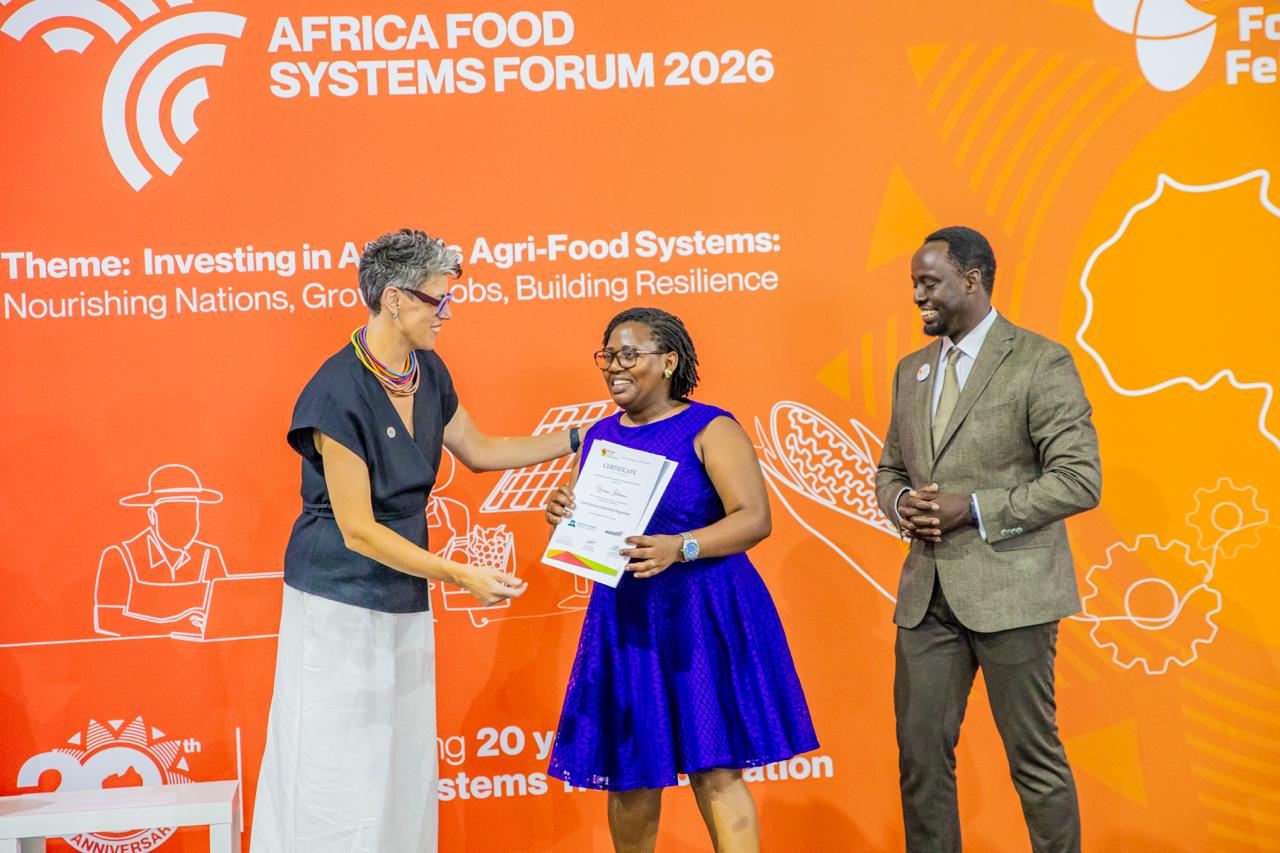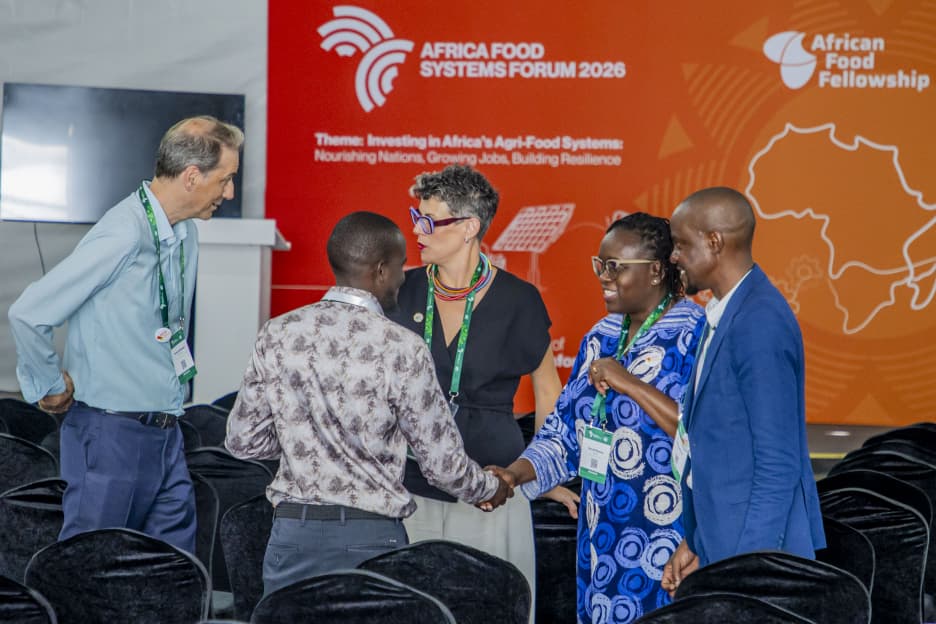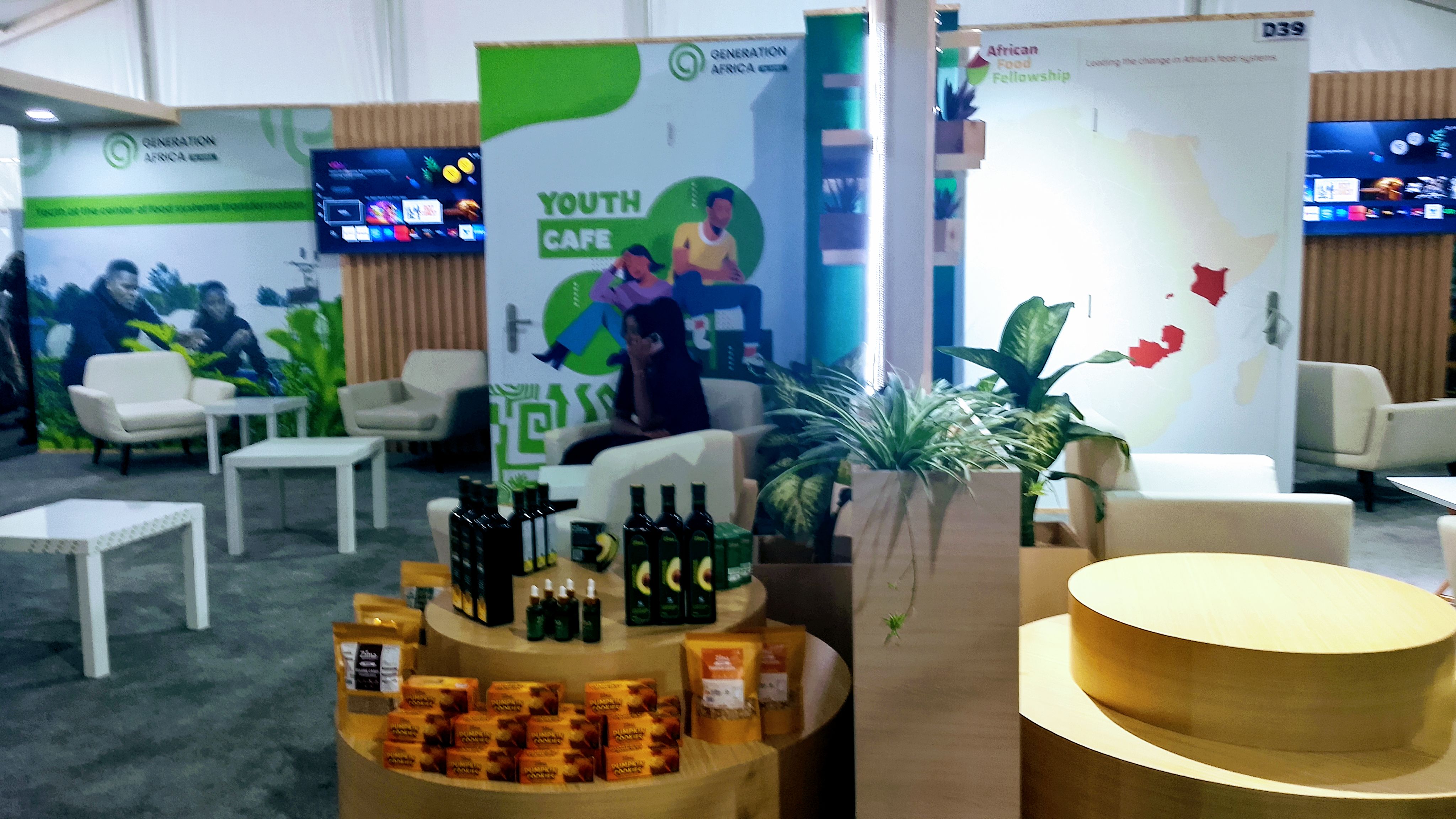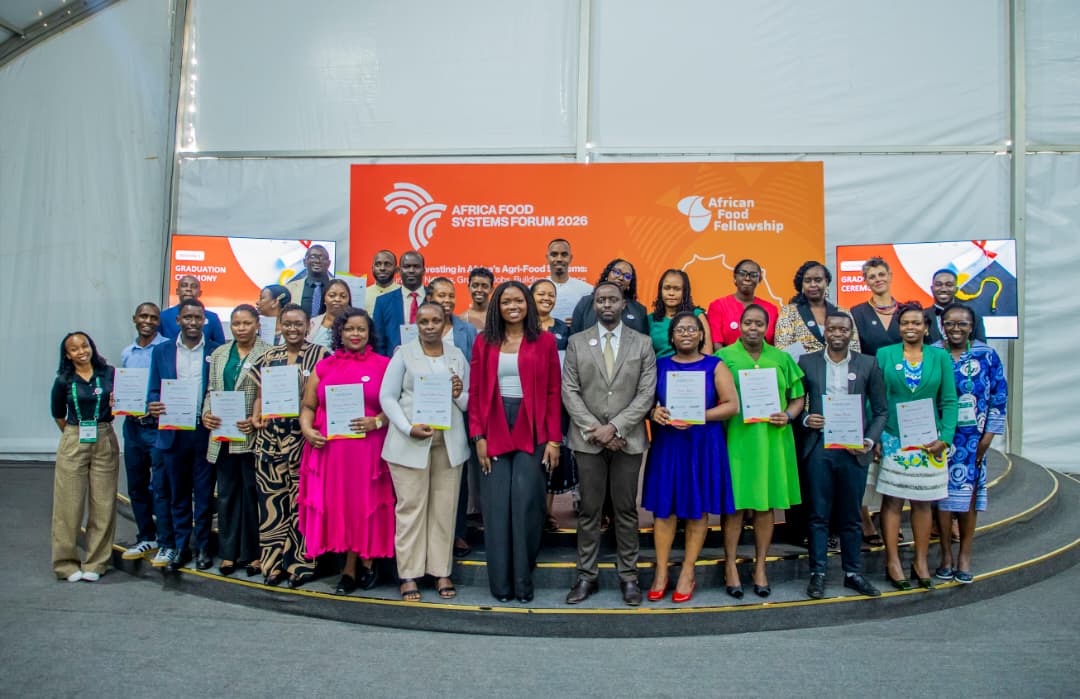
The graduates of the fifth cohort of its Rwanda Fellows presented their ideas on Monday, August 31, 2026, during the launch of the Africa Food Festival at the KCC Roundabout in Kigali, held as part of the Africa Food Systems Forum (AFSF) 2026.
The 10-month African Food Fellowship programme brings together professionals from different areas of the food system and equips them with leadership, knowledge and collaboration skills to develop solutions to challenges affecting food production, distribution, consumption and sustainability.
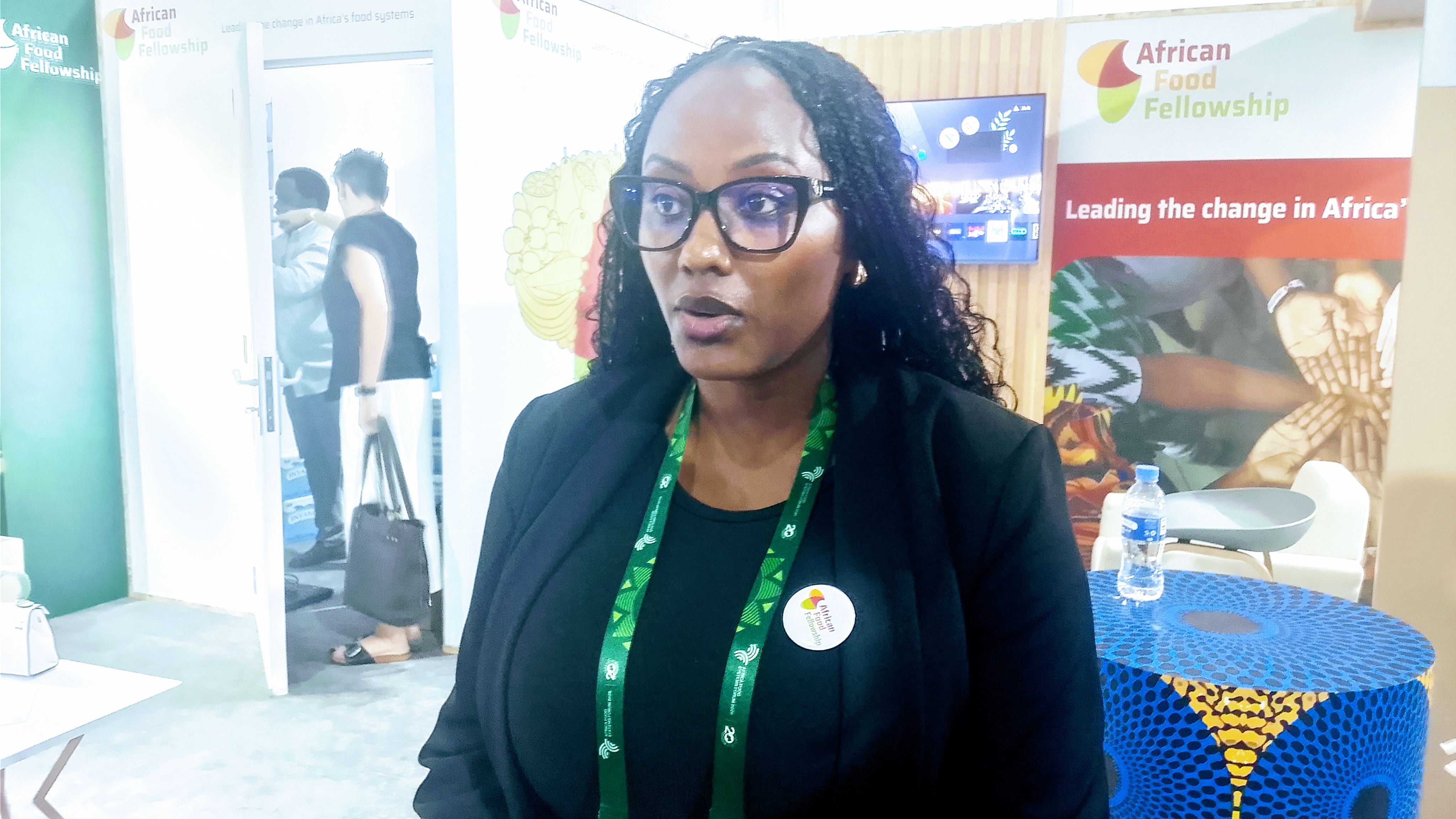
Justine Umutoni, one of the graduates
For Justine Umutoni, one of the graduates who works in agricultural research at the Alliance of Bioversity International and CIAT, the programme provided an opportunity to understand the food system as an interconnected chain stretching from production to consumption.
“It was a journey of looking at how people can bring together those who think alike and have a common goal of making the food system sustainable,” Umutoni said.
She explained that the food system involves a wide range of actors, including farmers, researchers, transporters and others involved in ensuring food moves from the farm to the consumer.
Her fellowship project focused on tackling malnutrition by promoting climate-resilient bean varieties, an area she considers particularly important for Rwanda given the country’s high consumption of beans.
Umutoni said Rwanda faces a challenge because demand for beans remains high while production is not increasing at the same pace, a situation that could become more serious as the population grows.
“We eat a lot of beans, but our production is low. Production is declining while consumption is not, and our population is increasing. We need beans, but production is not increasing,” she said.
She believes promoting bean varieties capable of withstanding climate-related pressures could help increase production while contributing to improved nutrition and food security.
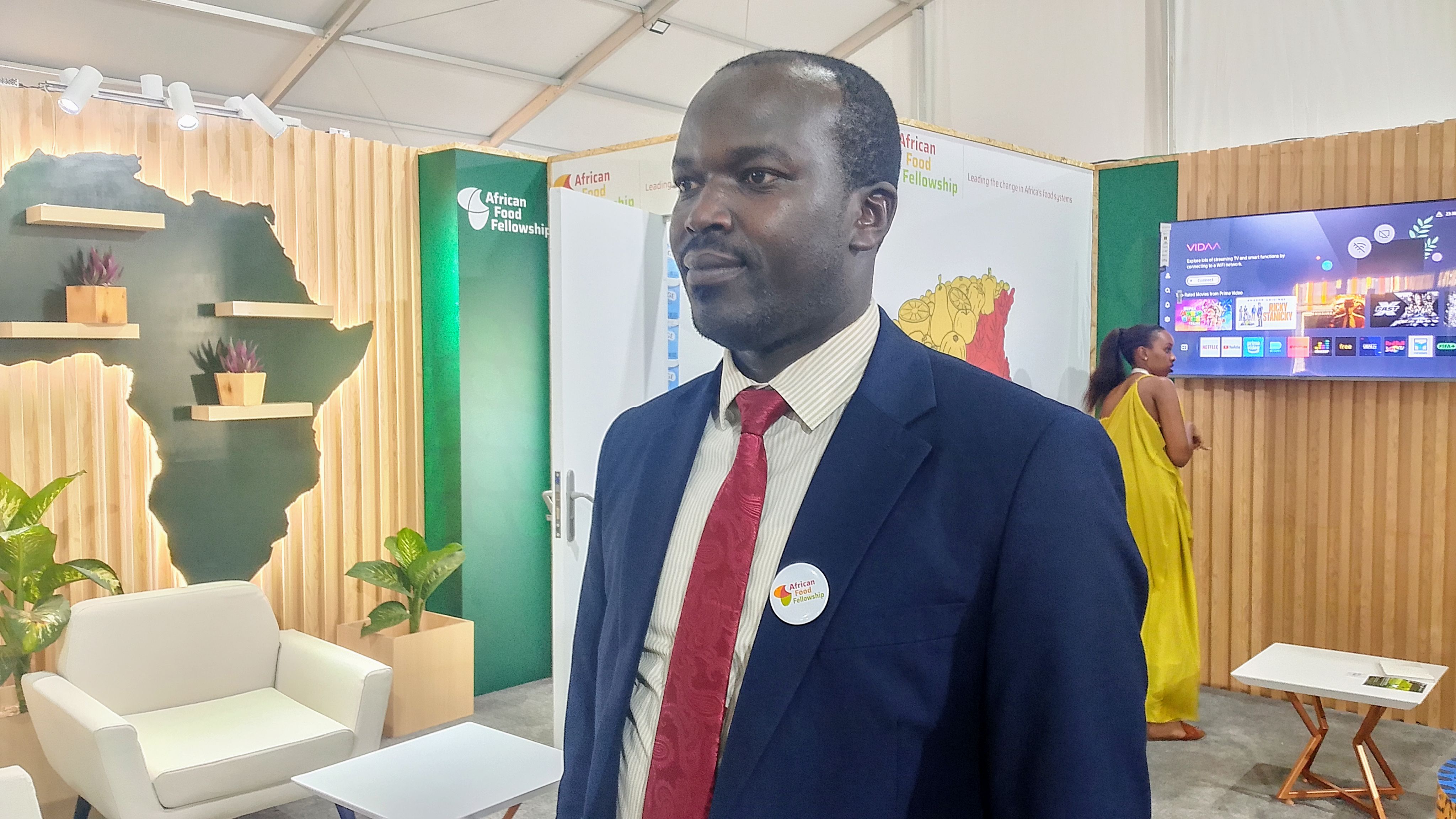
Manase Manirakinga head of agriculture and livestock department at Equity Bank
Another graduate, Manase Manirakinga, who heads the agriculture and livestock department at Equity Bank, is focusing on the unemployment challenge among young people.
His proposed initiative seeks to establish a training centre that will equip secondary school graduates with practical skills in modern poultry farming, particularly the production of eggs.
“I want to address the problem of limited jobs for young people in agriculture and livestock, particularly poultry farming,” Manirakinga said.
He explained that the project is designed to give young people practical skills that can enable them to generate income through poultry farming.
The focus on egg production, he said, is based on the potential for regular income because laying chickens can produce eggs frequently, giving farmers an opportunity to earn money on a more consistent basis.
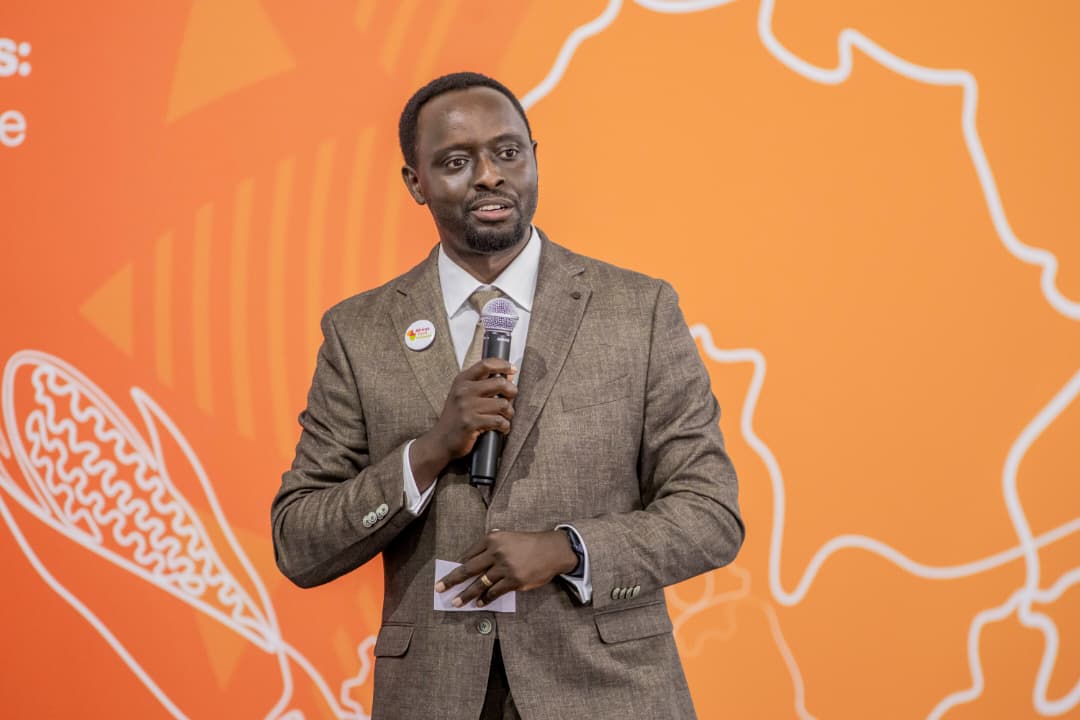
Pascal Murasira, the Executive Director of African Food Fellowship
For Pascal Murasira, the Executive Director of African Food Fellowship, the initiatives developed by the graduates demonstrate the kind of practical leadership needed to transform Africa’s food systems.
He said the challenges facing the sector cannot be solved by one institution or sector working alone, calling for stronger collaboration among government institutions, the private sector, researchers and civil society organisations.
“You cannot say that the Government will solve the problem or that a particular organisation will solve it. There is a need for collaboration between different sectors,” Murasira said.
He also identified food waste as one of the major challenges requiring urgent attention, noting that food lost before reaching consumers represents wasted money, labour, water and natural resources.
Murasira said Africa needs substantial investment in its food systems, but argued that financial resources must be accompanied by capable leaders who can turn ideas and investments into practical solutions.
He urged young people to view the food sector as an important source of employment and economic opportunity rather than limiting their participation to traditional farming.
“Young people need jobs and they need to contribute to building their countries and our continent,” he said.
He also called for increased use of technology to raise productivity, improve food processing and strengthen the distribution of agricultural products.
At the same time, he stressed the importance of increasing productivity on land that is already being cultivated, alongside efforts to expand agricultural land, while ensuring that soil and natural resources are protected for future generations.
The graduates’ initiatives were showcased as part of the Africa Food Festival, which was officially launched in Kigali on Monday evening.
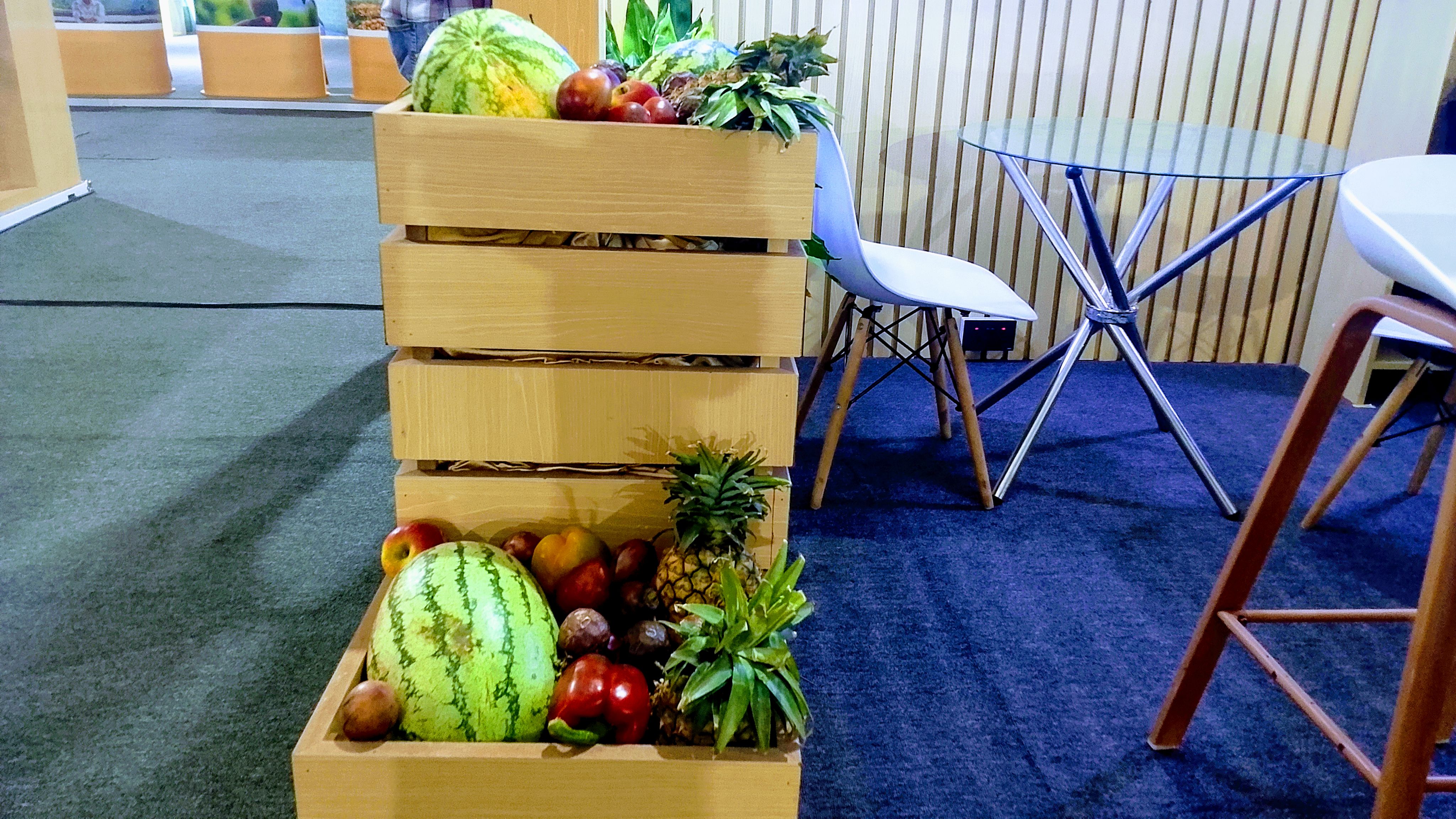
The week-long festival, running from August 31 to September 4, brings together food-sector actors from Rwanda and other African countries to showcase innovations and celebrate the continent’s food culture through live cooking, food tastings, live music and exhibitions by selected vendors.